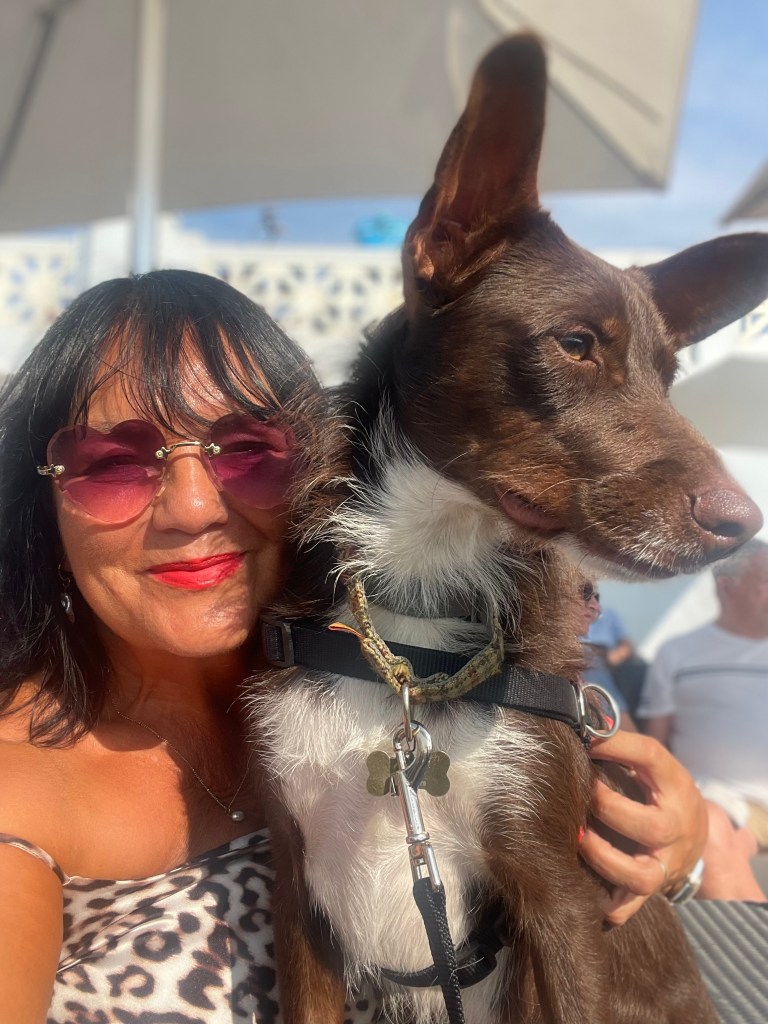

I thought I knew everything there was to know about travelling to mainland Europe from the UK with my dog, who has a European pet passport, issued in Spain. I was wrong.
I’ve written about travelling overseas with my dog (here) and have given advice to others on online forums. Therefore, I thought I was pretty well versed on the topic. While I can safely say that the advice I have given has been correct, this topic should clearly not be my specialist subject on Mastermind.
I found out I was not the expert I thought I was when I started planning a forthcoming trip to France. Pablo, my rescue podenco, who was found in a bin in southern Spain when very young, frequently travels with me when I pop over to the continent, is a regular visitor to le Touquet-Paris-Plage in France and is always a great road trip buddy.
Since Brexit, you can no longer use a pet passport issued in Great Britain to enter the EU. The passport must have been issued in an EU member country.
Originally having travelled from the Iberian peninsula to Staffordshire in the UK, where I adopted him from Brighter Days Dog Rescue, he was issued with an EU pet passport before he left Spain.
Sadly, due to family illness, I wasn’t able to travel overseas in late August, when Pablo’s rabies booster was due, so I had it done in the UK instead.
In this article, I hope to bust some myths, so you don’t run the risk of making a mistake, which I almost did, and being turned away at the border.
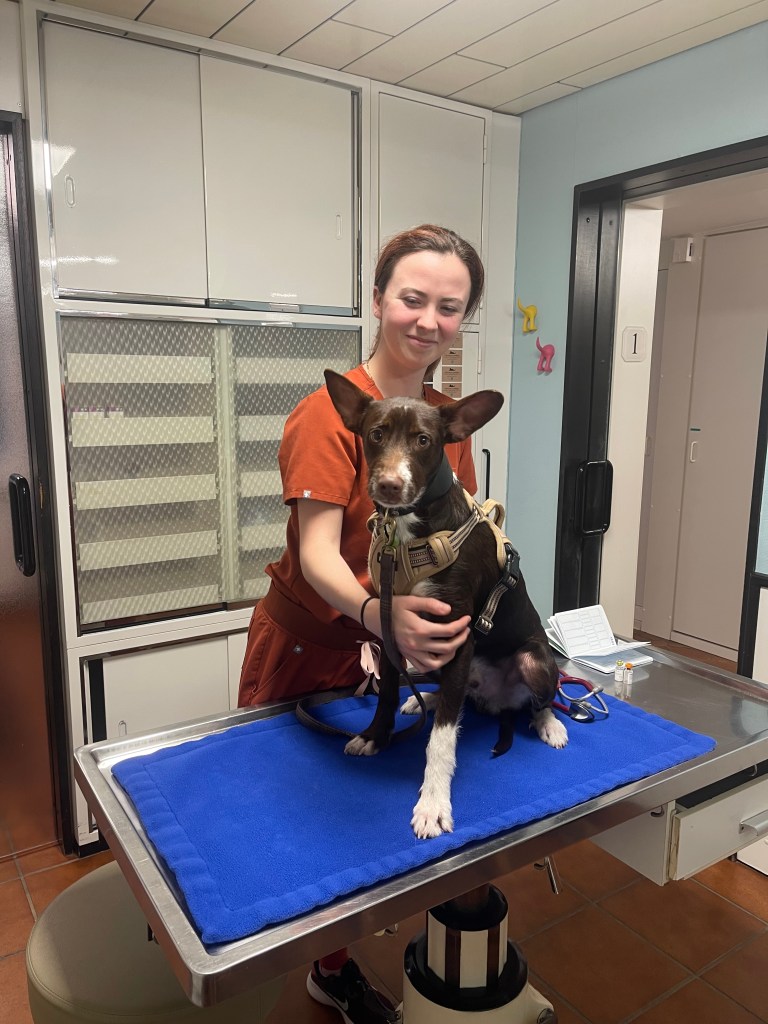
If your dog has an EU passport, do you need to have all of its injections, including its annual ones, done on the continent?
No. In order to maintain a European passport, your dog only needs to have its rabies injection done in an EU country. Your UK vet can still perform your pet’s annual injections and they don’t have to be noted on the passport.
This is what needs to be recorded in your EU pet passport, as per the UK government website:
- details of ownership
- description of animal
- marking or identification of animal
- vaccination against rabies
- details of the vet issuing the passport
- your dog’s tapeworm treatment
If your pet passport does not have an up to date vaccination record, you’ll need an animal health certificate (AHC) instead – for every trip – which can be pricey. This applies to dogs, cats and ferrets. As a side note, if you take your ferret on overseas holidays, please send photos!
While there’s not much in it, annual pet injections are, however, likely to be cheaper in France, with an average cost of €60 to €80 compared to the UK’s average of about £76 (which is currently around €90). This is possibly due to lower vet salaries and clinic overheads in France.
Interestingly, the media reported that UK vets could be made to cap prescription prices after a recent watchdog investigation found pet owners may be paying twice as much for some common medicines from practices than online (October 2025).
Can a UK vet write in my pet’s EU passport?
Any vet in any country can put tapeworm treatment details into a pet passport.
However, only vets in EU countries can enter rabies vaccination details into an EU pet passport. If your UK vet does it, your passport becomes invalid and you’ll need to get another one or use an AHC, from that point on.
If your dog has been adopted from overseas, will the charity or organisation you got them from be their registered owner in their passport?
While your adoption details will probably say that you are never the legal owner of a rescue dog, just in case your situation changes and they need to take it back, if you have registered the dog’s microchip on the UK Pet Datase, it will say that the dog is yours, despite the passport saying otherwise!
In Pablo’s pet passport, it says that Puppy Rescue Spain is his registered owner. They were who rescued him.
Under that section in his passport, there is an area where I was able to enter my details too, as his registered owner. If in doubt, contact the organisation your pet was adopted from. I did and they confirmed that, for legal purposes, I am his registered keeper.
My vet also confirmed this and I went online to check for myself. The Pet Database wasn’t terribly helpful, though. When I looked online, it said that I had no pets registered in my name. However, when I subsequently tried to register Pablo, it said that I already had a pet with that microchip number registered. Go figure that one out. All I know is that his chip has worked at the pet reception at the EuroTunnel Le Shuttle, my preferred way of getting to the continent.
If you don’t get your pet’s rabies vaccination done in time, does their passport become invalid and will you need a new one?
No. If this happens, don’t, whatever you do, throw their passport away.
In this instance, you can travel to Europe with an AHC, which you can get from your own vet. These cost up to about £250 and need to be done about three weeks before going (at my fab vet, anyway). An AHC is valid for entry into the EU for 10 days from the date of issue, for onward travel within the EU for four months and for re-entry to the UK for four months.
Once there, your overseas vet (Pablo is registered with SCP Goube in Étaples, about 30 minutes from Calais) can note the vaccination you’ve had done in the UK in your pet’s passport. My vet speaks fluent English, is super-efficient and reasonably priced.

Do I still need an animal health certificate if the UK government has announced changes to the pet passport system?
While a new trade agreement was reached between the UK and the EU in May 2025, including a major change to pet passports, this does not apply yet…and who knows when it will!
When it does come into force, cats and dogs travelling from the UK will no longer require costly animal health certificates for each journey thanks to the return of pet passports.
At the time of writing, it was still saying online that this is expected in late 2025, but I am not going to hold my breath.
One UK vet told me in October 2025: “I think our prime minister was premature in his announcement for the launch of UK pet passports as no changes or information has been made available to vets about the implementation/re-training from DEFRA.”
A new AHC is needed for every trip to the EU, so it can be costly if you travel often and don’t have an EU passport
Pablo and I will be avidly watching for when this announcement comes into effect, although I think we will still hang on to and use his EU passport, if we are able to.
Can you only obtain a new EU pet passport if you have a permanent address in the EU?
This is a sketchy one, in my opinion! Typically you need an EU address to get an EU pet passport because the passport must have an EU address listed, but some countries, like Belgium, may issue one to non-residents with a correspondence address instead of a residential one.
Vets in some EU countries may be hesitant or unable to issue a passport without proof of residency, especially in countries with strict rules, while others might have more flexible policies for non-residents.
My own vet in France said that Pablo would need to be registered on the French pet database in order for him to give me a new EU pet passport. Whether or not you need a permanent address in France for that, I am uncertain.
I-CAD is the national pet identification database for dogs, cats, and ferrets in France, managed by the French Ministry of Agriculture and Food. The database stores owner and animal information, which is mandatory for all pets in France.
Registration is done through a vet using a microchip or tattoo and is required for all pets, including those brought into France from abroad.
I am, however, a member of a few Facebook groups on which members have talked about the ease of getting an EU pet passport while travelling in France or Spain. I guess its level of ease just depends on the individual vets!
If in doubt, can I simply ask my vet for advice. They’ll know the subject inside out, right?
Not necessarily! While my vets are both brilliant, one French vet told me that I didn’t need an AHC to take Pablo to France when his rabies jab was out of date and that all I needed to do was to get my UK vet to write his rabies inoculation details in the passport.
Don’t, whatever you do, allow your vet to write in your pet’s passport for anything other than recording the tapeworm tablet.
As you can see, the rules and regulations are as clear as mud, so much so that I feel the need to say not to take everything above (written in good faith) as gospel. If you have any doubts, Google, ask your vet, ask social media forums and then make as learned decision as you can. Good luck!
Found what you’ve read useful? Please subscribe to this blog and follow The Sun Lounger on Instagram and TikTok.